

We recently advanced our techniques in in the field of micro-manipulation:
- combining laser-induced flow with microfluidics to achieve unprecedented control in the assembly and operation of micro-robots and a new level of non-invasive manipulation of the nucleus
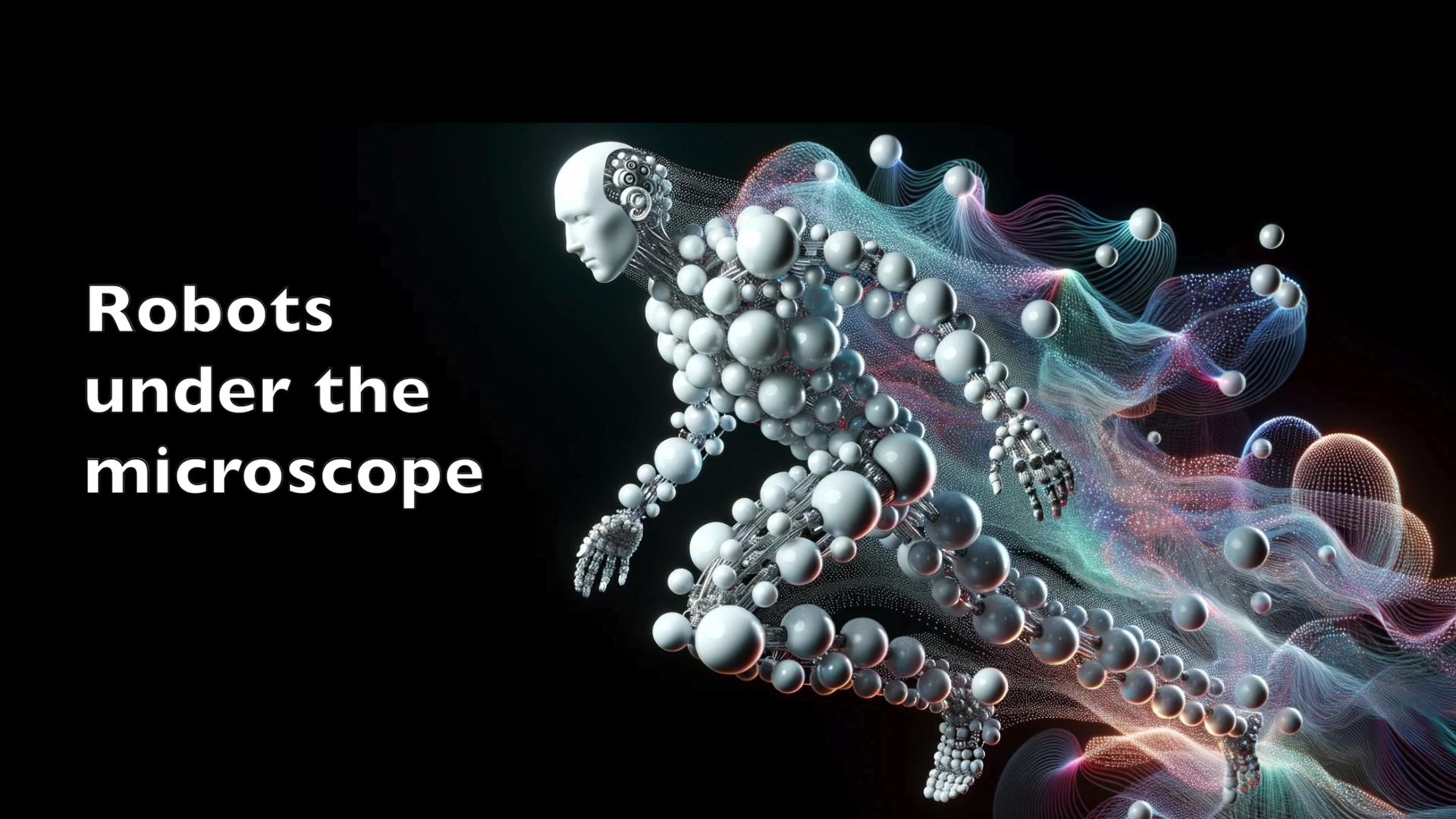
Opto-fluidically Multiplexed Assembly and Micro-robotics
This research paper introduces a groundbreaking method in the field of micro-manipulation, combining laser-induced flow with microfluidics to achieve unprecedented control in the assembly and operation of micro-robots. Unlike traditional optical tweezers, this technique does not depend on the material properties of the particles and avoids excessive laser exposure. By leveraging multiplexed temperature stimuli, it enables the precise and accelerated positioning of micro-particles, transcending previous limitations of microfluidic technologies. This innovative approach not only enhances capabilities in micro-manufacturing and life sciences but also pioneers the use of opto-hydraulically actuated micro-factories and robotic systems that can express personal characteristics.
.jpg)
Probe-free Optical Chromatin Deformation and Measurement of Differential Mechanical Properties in the Nucleus
This study presents an innovative technique for exploring the mechanical properties of the nucleus, essential for understanding its spatial organization and gene transcription activities. By applying localized temperature gradients, the research achieves significant chromatin displacements within the nucleus without altering its overall structure. Utilizing particle image velocimetry, the team provides detailed strain maps, revealing the distinct mechanical identities of nuclear compartments. This method demonstrates how chromatin's response to mechanical stress can inform on its role in nuclear organization and has potential applications in fields ranging from molecular biology to the development of new therapeutic strategies.